Meet Our Speakers

Dr. Claudia Elizabeth Moreno Ortega
She holds a degree in Biology from the Universidad Veracruzana and a PhD in Science with emphasis in Ecology and Natural Resource Management, from the Institute of Ecology, A.C. in Mexico.
She is currently a professor and researcher at the Autonomous University of Hidalgo State, in Mexico, where she teaches Ecology courses. She has also taught intensive courses in different institutions in Mexico, Spain, Colombia, Argentina, El Salvador, Peru and Ecuador.
Her research focuses on understanding how species diversity is distributed, which factors determine it, and the impact of human activities on biodiversity. She has worked with different biological groups, mainly vertebrates and insects, across various types of ecosystems and spatial scales.
She has authored more than 160 publications, including scientific articles, books, book chapters and science communication articles.

Dr. Iva Franik
Dr. Iva Franic is a forest health researcher at the Swiss Federal Institute for Forest, Snow and Landscape Research (WSL). She earned her PhD in Ecology and Evolution from the University of Bern, in collaboration with WSL and CABI, and conducted postdoctoral research in Switzerland and Sweden.
Her work focuses on understanding the diversity, assembly processes, and functions of tree-associated microbiota in the context of forest health.
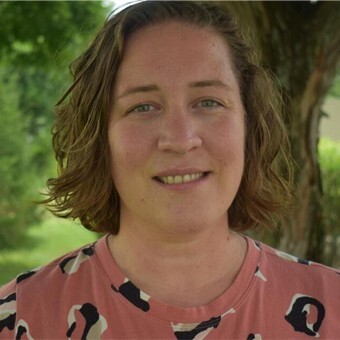
Dr. Jess Hartshorn
Dr. Jess Hartshorn is an Associate Research Professor at Central State University in Southwest Ohio where she studies invasive species and disturbance in relation to forest health. She has been active in IUFRO since 2018 and is currently the Coordinator of the "Ecology and management of bark and wood boring insects" working party (7.03.05).
Her students have investigated the movement of laurel wilt disease through native sassafras, the effects of mesopredator exclusion on nutrient cycling insects, the effects of prescribed fire on bark beetles of pine trees, and the ecological effects of invasive trees such as Pyrus calleryana. She is also currently a MS student in Mental Health Counseling and incorporates psychological principles into her work on natural resources. Dr. Hartshorn helped establish the Queer in Life Sciences registered student organization at Clemson and uses her voice to advocate for women and minorities in STEM.

Juliet Achieng
Dr. Juliet Achieng works as a researcher at the European Forest Institute, Bonn, Germany. She has a keen interest in global forest research topics specifically forest-related-employment including green forest jobs, forest education, gender as well as agroforestry and rural development. She has over ten years’ experience working in international processes and organizations in different continents.
She is also the Deputy Stream Leader of Stream 2 (Education, Training & Capacity Building) of the IUFRO Task Force on Gender Equity, Diversity, and Inclusion in Forest-related Sectors (ForGEDI). She has served in different capacities in the International Forestry Students’ Association (IFSA) such as deputy coordinator of the Joint IUFRO-IFSA Taskforce on Forest Education and Head of ITTO sub-commission.
She holds an MSc. in Tropical and International Forestry from Georg-August Universität, Göttingen, Germany and a BSc. in Agroforestry and Rural Development from Moi University, Kenya. She is currently a PhD candidate at Wageningen University, the Netherlands.
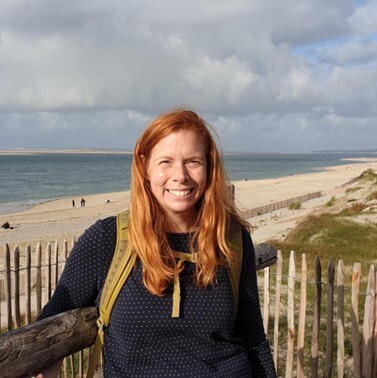
Dr. Katharina Budde
Dr. Katharina Budde is a biologist specialized in population genetics and genomics of forest tree species. She studied biology at the University of Marburg in Germany and the University of Costa Rica and obtained her PhD degree at the University Complutense in Madrid. She has worked in several forest research institutes and universities in Spain, France, Denmark and Germany.
Currently she is the acting head of the section “Forest Genetic Analyses” at the Northwest German Forest Research Institute. In her work she aims to understand evolutionary processes in forest tree species in order to develop sustainable conservation and management strategies. For example, she is interested in understanding the genetic basis of susceptibility to tree diseases or the effects of environmental conditions on the genetic structure and local adaptations in forest tree species.
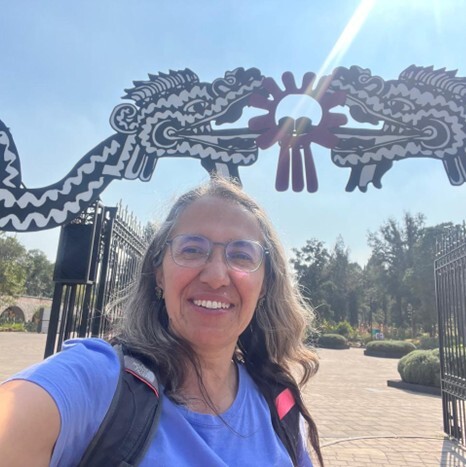
Dr. María Teresa Pulido Silva
Dr. María Teresa Pulido Silva is a Biologist specialized in ethnobotany. Her work has focused on the study of the sustainable use of non-timber forest products through an ecological and ethnobotanical approach. She has conducted research on key palm species essential for human subsistence.
In addition, she has carried out ethnobotanical studies on the traditional uses of cycads in Mexico. Her recent research interests also include the study of non-conventional food plants in traditional markets of central Mexico, as well as studies on the characterization of urban agriculture.
She earned her undergraduate degree in Biology from the Universidad de Los Andes (Colombia) and obtained her PhD from the National Autonomous University of Mexico. She was a member of the IUFRO Task Force on Bioeconomy of NTFPs. She also served as vice-coordinator of the First Latin American Congress of Ethnobiology. She is currently a researcher at the Universidad Autónoma del Estado de Hidalgo, Mexico.
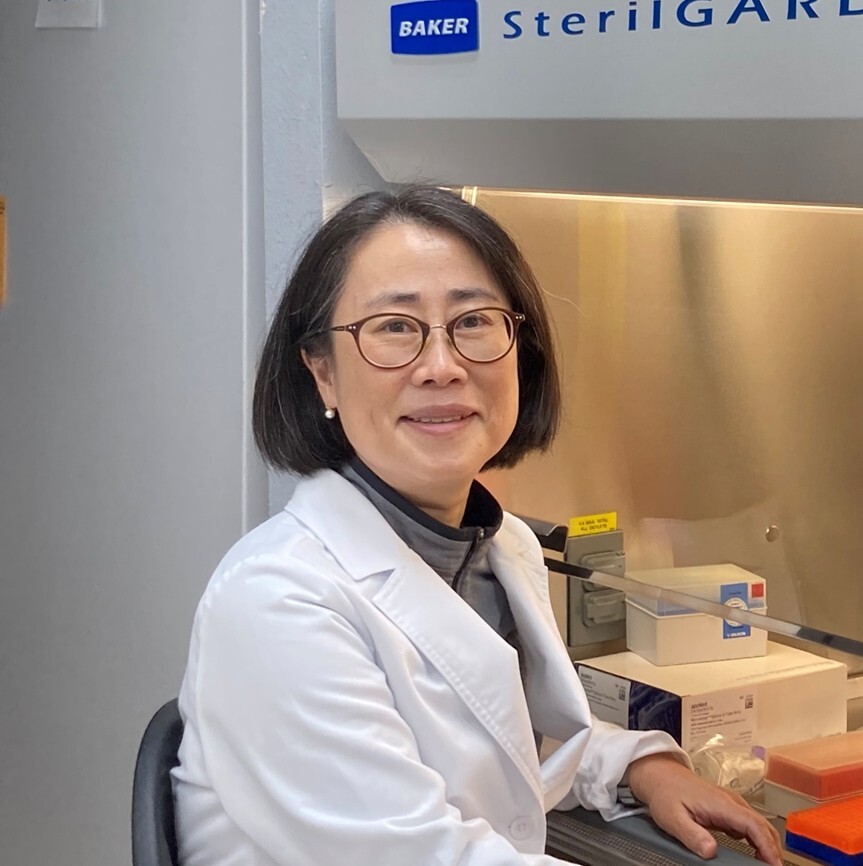
Dr. Mee-Sook Kim
Dr. Mee-Sook Kim is a Research Plant Pathologist at the U.S. Forest Service in Corvallis, Oregon, United States. Mee-Sook grew up in Seoul, South Korea and received her B.S. and first M.S. at universities in South Korea. Subsequently, she received her second M.S. (Forestry) and Ph.D. (Plant Pathology) at the University of Nebraska – Lincoln in U.S. She has spent her career working in the fields of forest pathology/genetics research and education. Before joining U.S. Forest Service, Mee-Sook served as a Professor for Kookmin University in South Korea, primarily conducting forest pathology research and teaching forest pathology/genetics courses.
As a Research Plant Pathologist at the U.S. Forest Service, Mee-Sook’s research focuses on molecular genetic approaches to help management of diverse forest diseases caused by native and invasive pathogens under changing environmental conditions. Currently, Mee-Sook is collaborating with universities and international institutions, and she looks forward to building new opportunities for collaborative research.

Priscilla Kimani
Priscilla Kimani is a research biotechnologist at Kenya Forestry Research Institute (KEFRI). Her research revolves around forest genetics, breeding and molecular biology. She has worked on developing protocols and improving technologies for the successful tissue culture of Kenya’s indigenous woody plant species.
Priscilla holds a MSc degree in Plant Breeding and Biotechnology from the University of Nairobi and a BSc in Biochemistry and Molecular Biology from Jomo Kenyatta University of Agriculture and Technology in Kenya. She is currently pursuing a PhD in Genetics and Plant Breeding.
Priscilla currently also serves as the Principal Assistant Coordinator in the National Bioscience and Laboratory Coordination Program at KEFRI, with a mission to enhance the quality of forestry bioscience research through application of advanced technologies, innovations and capacity building of the Institute’s researchers. She is interested in partnerships and collaboration in biotechnology research.
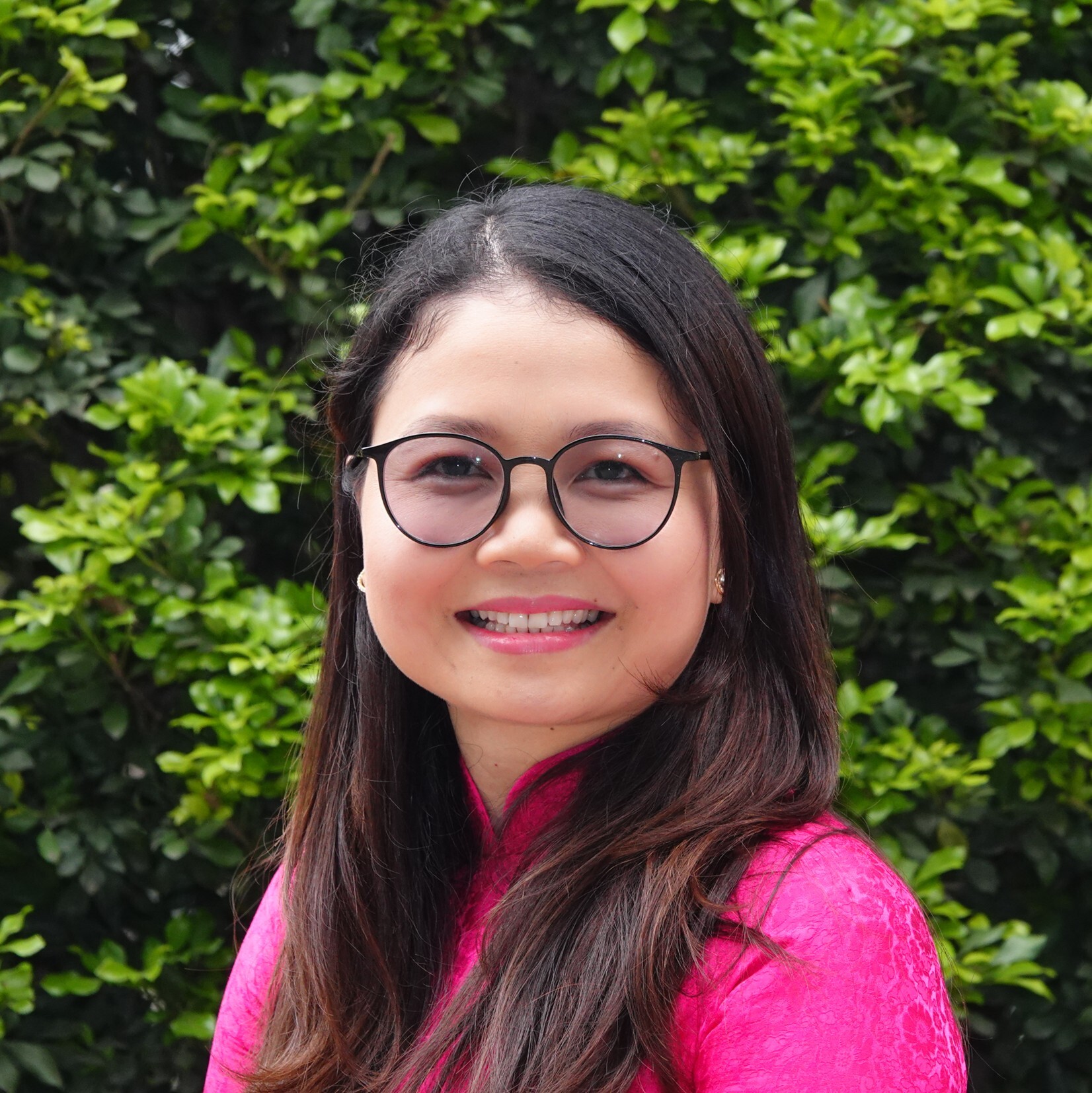
Dr. Quynh Dang
Dr. Quynh Dang is a forest pathologist at the Vietnamese Academy of Forest Sciences. Her work focuses on understanding and managing diseases in both natural and plantation forests, including acacias, eucalyptus, macadamia, cinnamon, and other native species, as well as the Ngoc Linh ginseng. She also works on major biosecurity threats, including Phytophthora, Fusarium, Ceratocystis, Colletotrichum, Diaporthe, and many other pathogens.
Over the past years, she has led and contributed to national and regional projects on integrated pest and disease management, forest landscape restoration and sustainable forest management, often linking field evidence with policy and community practice. She completed her PhD in Conservation Science at Murdoch University, Australia, and she still maintain contact with her supervisor at Murdoch University and experts at Sunshine Coast University for collaboration and information exchange on the pests and diseases of Vietnam.
She enjoys working with ethnic minority groups, forest rangers, and local communities through training courses and field activities focused on forest health and biosecurity.

Dr. Rattiya S. Lippe
Dr. Rattiya Lippe is a Senior Scientist in the field of sustainability assessment at the Thünen Institute of Forestry in Hamburg, Germany.
Her current research focuses on employment and labour market issues in the forest sector and related economic activities, including the informal economy, labour statistics, working and employment conditions, gender equality, and governance in the world of work.
She also has experience in research on the rural economy, sustainable certification standards, survey methodology, and data quality.

Dr. Rocio Melina Garcia
Dr. Rocio Melina Garcia is a Forest Engineer with a PhD in Forest Sciences from the National University of La Plata, Argentina. Her doctoral research, supported by a CONICET scholarship, was conducted at the Research Institute for Natural Resources, Agroecology, and Rural Development (IRNAD). Her research focuses on forest policy, protected area governance, sustainability indicators and land use scenarios within the Andean Patagonian Forests.
She has teaching experience as a Graduate Assistant in Forest Management and Natural Resources Management at the National University of Rio Negro. She is an Associate Editor for the journal Forest Policy and Economics and collaborates with the "International Forest Governance and Multilateralism" research group of Technische Universität Dresden. Within IUFRO, Rocío is coordinating the Working Party on Integrated Mountain Forest Governance and is Deputy Coordinator of ForGEDI Task Force. Furthermore, she is a co-founder and co-lead of the Mountain Youth Hub, a youth-led initiative supported by the Mountain Partnership of the United Nations.
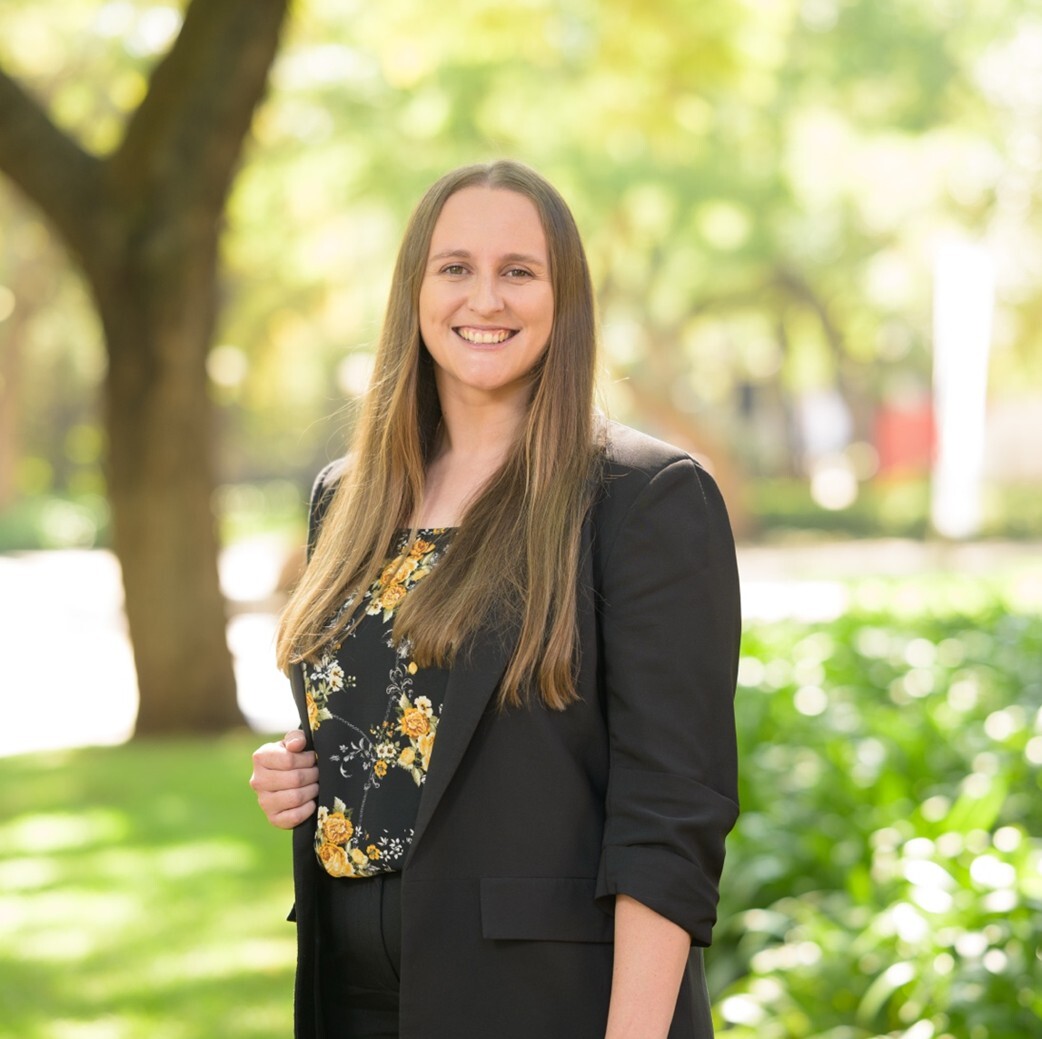
Shae Swanepoel
Shae Swanepoel is a a PhD Genetics candidate based at the Forestry and Agricultural Biotechnology Institute at the University of Pretoria. Her interests include quantitative genetics and functional genomics to explore the defence potential of Eucalyptus. Using an integrated systems-genetics approach, She is investigating the transcriptomic responses of Eucalyptus to multiple biotic interactions and examining the natural variation in defence traits within a common garden population. Her work aims to identify the molecular mechanisms shaping disease resistance to support the development of more resilient Eucalyptus plantations.
Beyond her research, she is committed to fostering mentorship and skills development among young women in science. She is passionate about supporting women in forestry and improving accessibility of computational biology for students.

Dr. Sheryl A. Yap
Dr. Sheryl A. Yap is a Professor and former Director of the Institute of Weed Science, Plant Pathology and Entomology (IWEP), College of Agriculture and Food Science, University of the Philippines Los Baños. Currently, she is the Director of the UP Professional School for Agriculture and the Environment (UP PSAE), and the curator for weevils and hoppers at the UPLB Museum of Natural History.
Dr. Yap teaches agriculture and entomology-related courses. Her research interests include entomology, taxonomy and systematics, pest management, and conservation biology. Demonstrating her exceptional skills as a prolific researcher, she was recognized as UP Scientist III, a prestigious recognition bestowed by the University of the Philippines Scientific Productivity System to faculty and researchers with outstanding, internationally recognized scientific output.
Furthermore, she has also received several awards, including the 2023 Leopoldo B. Uichanco Outstanding Entomologist Award, emphasizing her excellence and commitment to the scientific study of insects and arthropods.

Dr. Violet Butterwort
Dr. Violet Butterwort is a forest health researcher specializing in insect-vectored forest diseases. Violet earned her graduate degrees at the University of Florida where she specialized on the ecology of bark beetles, their symbiotic fungi, and associated tree diseases. She has worked in a variety of roles across her 16 years in entomology research, including academic, agribusiness, museum, non-profit, and government research positions.
In her current role, she performs forest pathology diagnostic services and conducts research on emerging tree diseases in Canada. Her work takes place primarily on the traditional lands of the Anishinaabe and Métis peoples. She is also working on a field guide to forest pathogens and has recently begun incorporating fungal herbaria into her research. Violet is an involved community member, leading walks and workshops on mushroom identification, queer ecology, and wild food. She is deeply passionate about worker and human rights and serves as vice-president of her local union.